What is RTI ?

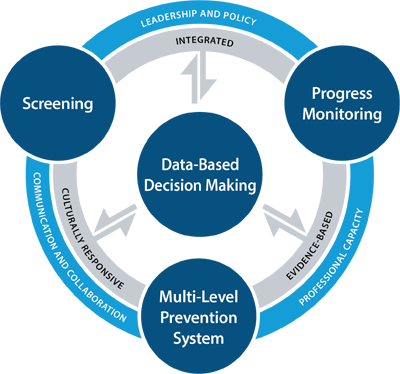
Response to intervention integrates assessment and intervention within a multi-level prevention system to maximize student achievement and to reduce behavior problems.  With RTI, schools identify students at risk for poor learning outcomes, monitor student progress, provide evidence-based interventions and adjust the intensity and nature of those interventions depending on a student’s responsiveness, and identify students with learning disabilities or other disabilities. To learn more about RTI, see the Essential Components of RTI – A Closer Look at Response to Intervention.

RTI Resources

Tabbed jQuery slideshow
  • State Technical Assistance

    To provide high quality technical assistance (TA) that contributes to states’ implementation of RTI frameworks, we are now accepting requests for direct TA. States can request a wide variety of TA activities, including:

    • One-time events or activities on RTI or related topics

    • Short-term series of activities that facilitate the implementation of RTI

    • Sustained, multi-year, comprehensive sets of RTI implementation activities Request TA now!

  • Tools Charts

    Tools Chart

    The screening and progress monitoring tools charts reflect the results of reviews of tools by the Center’s Technical Review (TRC). more >>
    Screening Tools Chart
    Progress Monitoring Tools Chart

    NEW!
    Instruction Tools Chart

  • RTI State Database

    RTI State Database


    The RTI State Database provides resources on a number of topics related to RTI. The resources, which range from policy documents and briefs to trainings and tools, were developed by states or territories, in the U.S. who are in different stages of implementing RTI.

  • Social Networking

    Social Networking

    We are now on Facebook and Twitter!

    Become a fan on Facebook

    Or

    Follow us on Twitter


Does RTI have the potential to reduce disproportionality in Special Education? - July 2010

Dr. John Hosp Watch and listen as Dr. John Hosp addresses this question.

mov Watch the Video (02:39) Closed Captioning
pdf  Read the Transcript


View all archived Ask the Expert videos


Receive the RTI Responder!

Enter your e-mail address to sign up for our monthly online newsletter.   


RTI State Database

What's New in RTI?

New Resource!

Instruction Tools Chart

The Center is pleased to announce the release of the Instruction Tools Chart! This chart represents the results of the first annual review of research studies of instructional programs by the Center’s Technical Review Committee (TRC). The chart provides ratings on the quality of studies demonstrating efficacy for instructional programs used within an RTI context. The National Center on RTI publishes this tools chart to assist educators and families in becoming informed consumers who can select instructional programs that best meet their individual needs. Please note that the Center does not endorse or recommend the programs included in the chart.


New Resource!

Essential Components of RTI – A Closer Look at Response to Intervention

Through this document, we maintain there are four essential components of RTI:

•A school-wide, multi-level instructional and behavioral system for preventing school failure;

•Screening;

•Progress Monitoring; and

•Data-based decision making for instruction, movement within the multi-level system, and disability identification (in accordance with state law).

Learn more about the Center’s definition of RTI, the four essential components, and frequently asked questions.


New Resource!

Using School Leadership Teams to Meet the Needs of English Language Learners

To ensure that the implementation of RTI strategies effectively addresses the needs of all students, the National Center on Response to Intervention (NCRTI) recommends that schools and local districts establish leadership teams that focus on issues affecting culturally and linguistically diverse students. NCRTI has developed this information brief to provide guidelines for organizing and implementing a school leadership team that focuses on the needs of English Language Learners (ELLs).